Content Warning
This episode and guide discuss substance use and methamphetamine addiction, chemsex, childhood experiences in foster care, abuse and exploitation, homelessness and housing insecurity, overdose and loss, suicidal ideation, and mental health diagnoses. Please move through this material at your own pace, and pause or step away if you need to. If you are in crisis, reach out to a trusted person or a local support line.
A Personal Note from Dallas
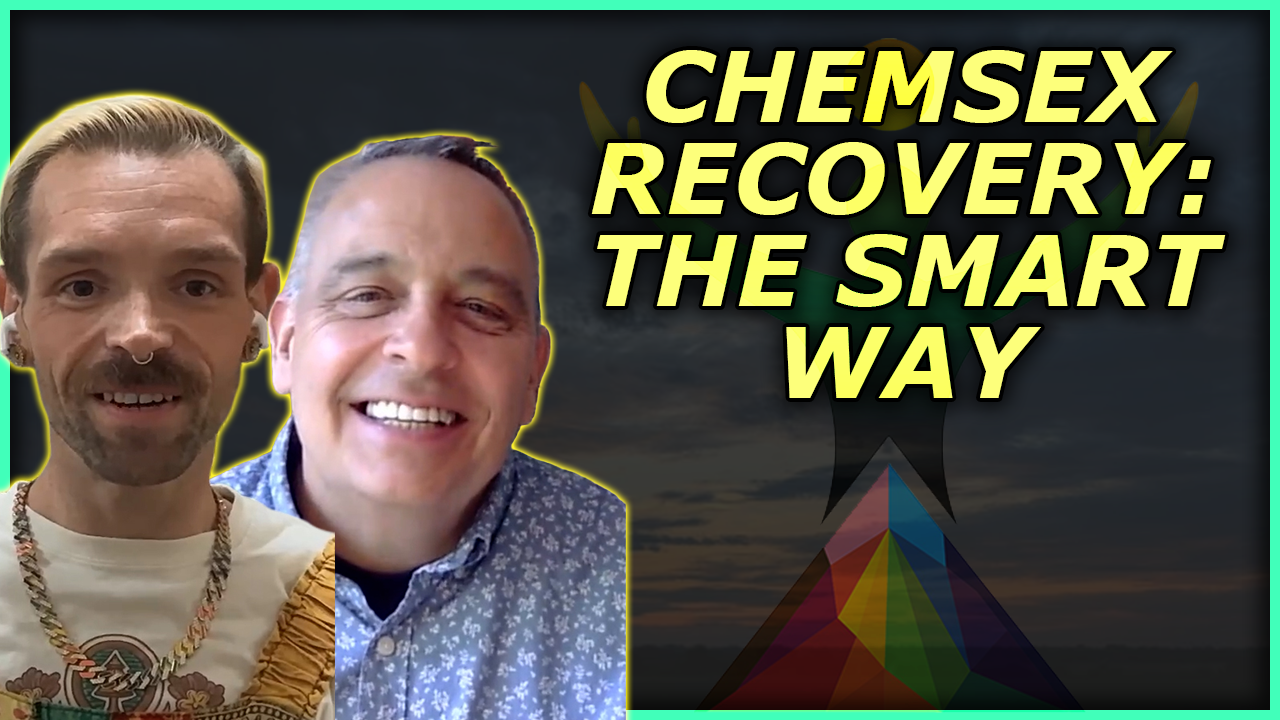
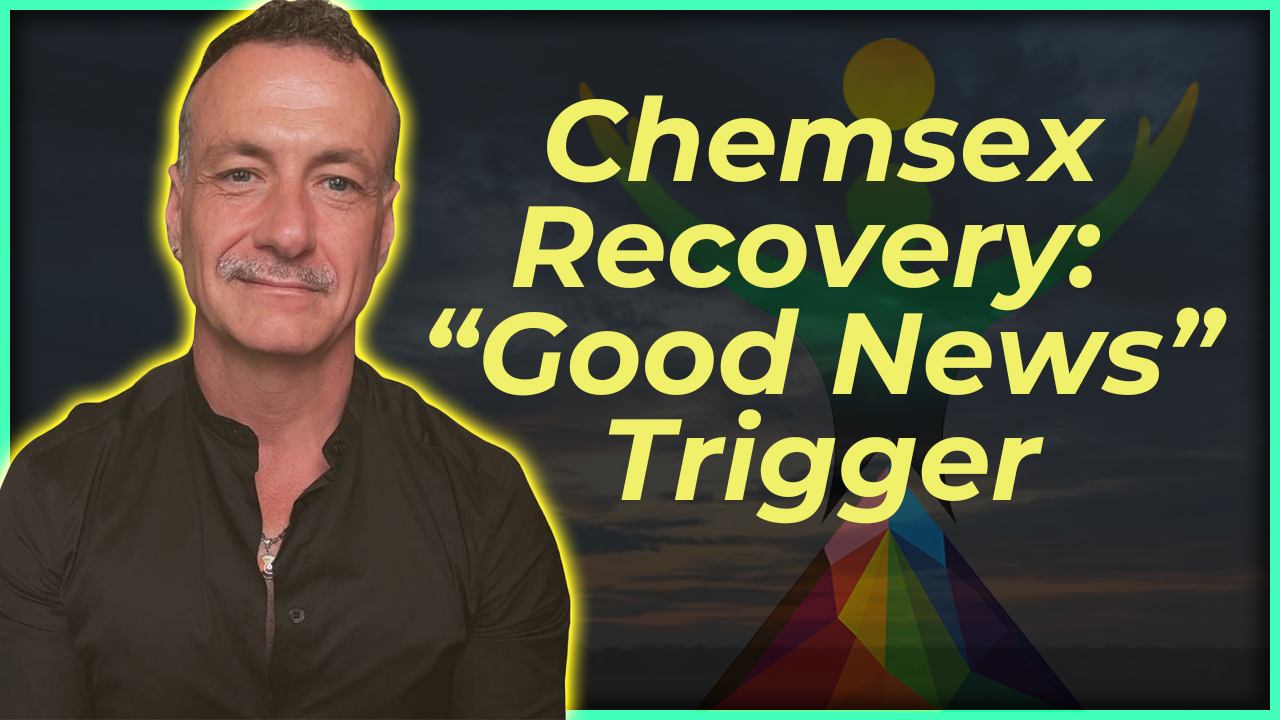
This one is close to my heart. I recorded the first half of this episode alone, walking you through what the research actually says about recovery — and then, while I was in LA for a chemsex conference, I sat down for my first-ever in-person interview.
I've spent years in this work, and I've lived my own version of it. Abstinence was the right door for me. But I've sat with enough men to know that it is not the only door, and that shame has never once helped someone walk through any of them. What I hope you hear underneath both halves of this episode is the same message: you do not have to be perfect to be welcome, and every honest step out of the fire counts.
I met Thiccums almost by accident, through a name and a number passed to me at the conference. What I found was a living, breathing example of everything the research had just told me — a man moving toward his best life, one practical step at a time. I hope his story does for you what it did for me.
Love you, Dallas 💚
Guest Bio
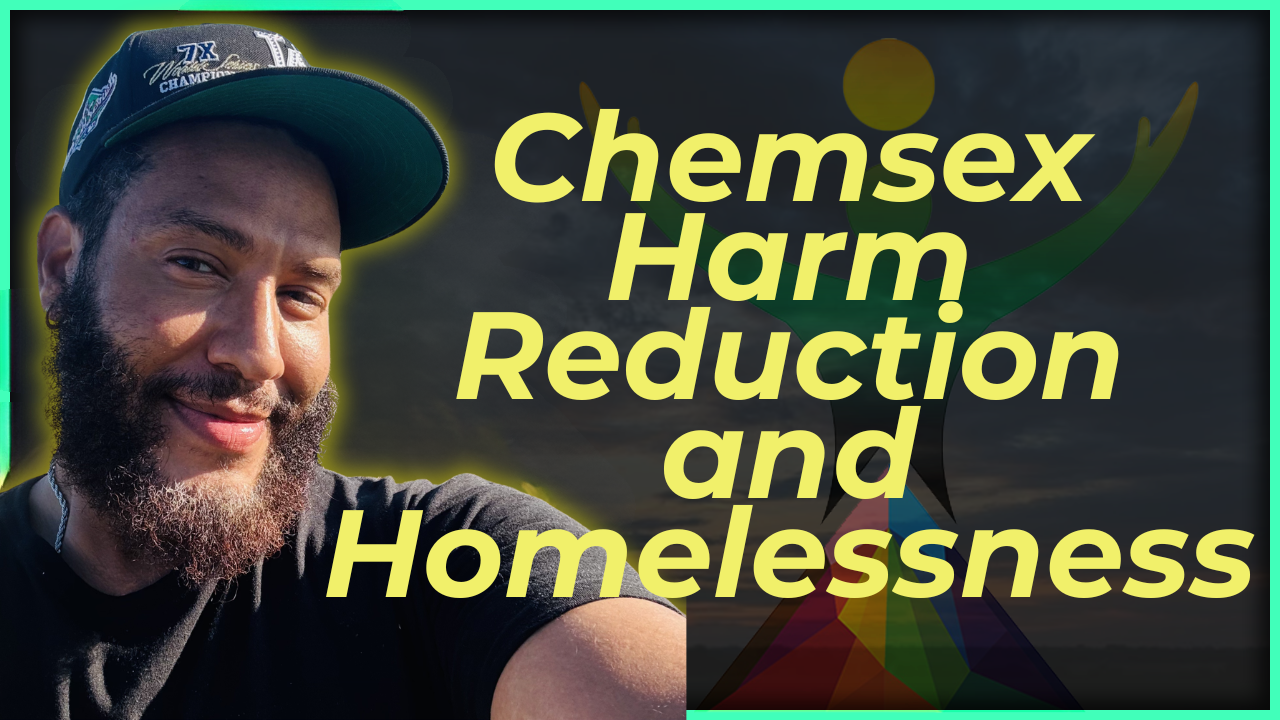
Thiccums is a 43-year-old chemsex-free advocate living in Los Angeles and the creator of the Instagram page "How to Be Homeless in LA." Once housed with two homes, two cars, and a marriage, he experienced a rapid decline following the loss of his mother and a divorce, and entered a period of methamphetamine use and, eventually, homelessness. Today he lives in a transitional shelter, works as a rideshare driver, is two classes short of an associate's degree in horticulture, and uses social media to share housing, laundry, restroom, and shower resources with the unhoused community across LA. His page has become a practical lifeline — and his journey a model of self-acceptance and forward motion.
Core Themes
1. The Room Has Many Doors: Rethinking What Recovery Means
For most of the history of addiction treatment, there was only one finish line — total abstinence — and everything short of it was recorded as failure. This episode challenges that single-door model. A man who goes from using five days a week to twice a month, who starts sleeping again, gets his job back, reconnects with his family — that man is recovering, even if a spreadsheet won't call him a success.
The argument here is not that abstinence loses its place. For some men, any use reopens the whole wound, and substance-free living is genuinely the answer. It was for Dallas. The point is that abstinence is one door in a room that research says has many — and that a treatment system measuring only whether someone has stopped is measuring the smallest part of the story. Recovery is a whole life, not a molecule in a urine screen.
2. Reward Over Shame: The Evidence for Contingency Management
Contingency management is simple: you meet a recovery goal — usually a negative drug test — and you receive a small reward, often a gift card or voucher, with the rewards growing the longer you go. It recruits your brain's own reward system, the same system meth hijacked, back onto your side.
It can sound like a gimmick — paying people not to use. But the data is striking. A major review found reduced meth use in nearly every study examined, alongside longer time in treatment and fewer sexual risks. Some of the foundational research was built with gay and bisexual men specifically. California now covers it through Medicaid, describing it as the treatment with the strongest outcomes for stimulant use disorder.
Thiccums lived this. Through a chemsex program run by a local AIDS service organization, he completed an eight-week contingency management program that tested him three times a week and provided gift cards for essentials — clothing, soap, food. When he relapsed, he returned to the program rather than being cast out. This is what "reward, not shame" looks like walking around in real life.
3. Cutting Down Counts: Reduced Use as Real Recovery
One of the most human findings in this episode is that reduction itself produces real, measurable benefit. When researchers followed thousands of people in treatment, more people managed to cut way down than to stop entirely — and the men who cut down got better, with cravings and drug-seeking dropping sharply, depression easing, and daily life improving. Even the most cautious voices in addiction science now say plainly that reducing use brings real gains: less depression, fewer cravings, better sleep, better relationships.
Thiccums tried many roads before finding his footing — cold turkey, tapering, managed use, substituting other substances. What eventually shifted his use was fear-based harm reduction in the most literal sense: testing his supply and finding fentanyl again and again, then throwing it away rather than using. Every step in the right direction was movement, not failure. The messy middle — using less than you were, but more than you want — is recovery too.
4. Meeting People Where They Are: Harm Reduction for Men Like Us
For gay and bisexual men, meth was rarely just about the drug. It was welded to sex, connection, belonging, and loneliness — which means abstinence-only messaging can fail twice, once as drug treatment and once as sexual health. The harm reduction tradition understood this early. Community programs that delivered strong, evidence-based therapy without demanding an abstinence pledge at the door kept men engaged, reduced the severity of their use, and improved their HIV care. And remarkably, most men in these programs walked toward abstinence on their own anyway — because when a man is told he is welcome as he is, he shows up, and showing up is where recovery begins.
Thiccums's story shows both the promise and the fragility of this approach. The chemsex group where he found acceptance and community was, in his words, terminated because of budget cuts — leaving him to rebuild that sense of acceptance from within himself. His experience is a reminder that these programs save lives, and that when we cut them, real people lose the door they were finally willing to walk through.
5. Full Circle: Purpose, Self-Acceptance, and Reclaiming Your Spaces
Thiccums now lives in a reconverted motel — the same kind of room where he once used. Rather than let that break him, he names it as a full-circle moment: a place once tied to his using is now the place he calls home. That act of reframing runs through his whole story. He kept certain videos from his using days not to romanticize them, but as a tool against euphoric recall. He took the name "Thiccums" from body-positive shows he watched while getting chemsex-free, choosing a source of self-acceptance on purpose.
His deepest sense of forward motion now comes from purpose: staying busy with work, finishing his degree in horticulture, and using his Instagram to help others navigate homelessness. He offers simple, concrete wisdom for anyone who wants to help someone unhoused — offer a shower, a load of laundry, a haircut, or just a listening ear. And his message for anyone trying to get chemsex-free is disarmingly direct: you are enough, you don't need the meth, take a breath, stay focused, and get disciplined. Purpose and self-acceptance, he says, are the most important things you can do.
Closing Reflection
Both halves of this episode tell the same truth from different directions. The research says the room has many doors — abstinence, contingency management, reduced use, harm reduction — and that movement through any of them counts. Thiccums says the same thing with his life: he is not yet where he's going, but he is unmistakably moving, and he refuses to let anyone measure his worth by a single line on a test.
Wherever you are today — chemsex-free and thriving, cutting down, or not yet ready for anything but honest — the room isn't locked. You do not have to be ready for everything to be ready for something. And that something counts.
If you're looking for support on your own path, come find us at www.recoveryalchemy.org. Whichever door you choose today, we'll leave the light on.
Reflective Questions
- Which "door" best describes where you are right now — abstinence, cutting down, harm reduction, or not yet ready? What has that door made possible for you, and what has it cost you?
- Where in your recovery have you measured yourself only by whether you stopped completely? What might change if you measured the whole of your life instead?
- Thiccums returned to a room where he once used and reclaimed it as home. Is there a space, memory, or place that still holds power over you — and what would reclaiming it look like?
- Where has shame shown up as a "teacher" in your recovery, and what did it actually teach you? What might reward or self-compassion teach you instead?
- Thiccums found acceptance first in a community, and then within himself. Where do you currently find your sense of acceptance, and what happens to it when outside support falls away?
Journal Prompts
- Write about a step you've taken that a strict, abstinence-only scoreboard would have called a "failure" — but that you know was real progress. What did that step actually cost and give you?
- Describe the version of recovery you most want. Beyond substance use, what does a full life look like for you — work, relationships, housing, sleep, clarity, hope?
- Thiccums kept certain reminders as a tool against euphoric recall. What memories or images still pull at you, and how might you relate to them differently so they lose their charge?
- Write a letter to yourself on your hardest day of using. What do you most need that version of you to hear now?
- Reflect on a time a system, program, or person made you feel welcome only if you were "perfect." How did you respond? What would it have meant to be welcomed exactly as you were?
Action Exercises
- Map your doors. List every recovery approach you've tried or considered — abstinence, tapering, managed use, harm reduction, contingency-style rewards. For each, note honestly what worked, what didn't, and what you haven't yet explored.
- Build one guardrail. Choose a single concrete harm-reduction step you can take this week (for example, a safety practice, a planned boundary around use, or connecting with a program that meets you where you are) and commit to it.
- Find your purpose anchor. Identify one role, responsibility, or goal that gives your days meaning — work, school, service, a relationship — and take one small action toward it this week.
- Reclaim a space. Pick one place or activity tied to your past use and plan a way to reframe or reclaim it in a positive way, however small.
- Offer or seek one act of support. Following Thiccums's example, either offer someone practical help (a shower, laundry, a meal, a listening ear) or reach out for one concrete piece of support you've been avoiding.
Sources Cited in This Episode
- Brown, H.D., & DeFulio, A. (2020). Contingency management for the treatment of methamphetamine use disorder: A systematic review. Drug and Alcohol Dependence. Review of 27 studies; CM reduced methamphetamine use in 26 of 27, with longer retention and reduced sexual risk behavior.
- Shoptaw, S., et al. (2005). Behavioral treatment approaches for methamphetamine dependence and HIV-related sexual risk behaviors among urban gay and bisexual men. Drug and Alcohol Dependence. CM and CM plus CBT outperformed CBT alone among methamphetamine dependent MSM, sustained at 12 month follow up.
- California Department of Health Care Services. Recovery Incentives Program: California's Contingency Management Benefit (CalAIM 1115 Demonstration). First state Medicaid coverage of contingency management for stimulant use disorder.
- Cost-effectiveness of contingency management for methamphetamine use disorder: A model-based analysis (2026). Addiction. Found CM highly cost effective under the raised $750 annual federal incentive cap.
- NIH News Release (2025). Reduced drug use is a meaningful treatment outcome for people with stimulant use disorders. Analysis of 13 randomized clinical trials, N over 2,000, published in Addiction. Reduced use associated with a 60 percent decrease in craving and a 41 percent decrease in drug seeking behavior; 18 percent achieved reduced use versus 14 percent abstinence.
- Volkow, N. (2025). Advancing reduction of drug use as an endpoint in addiction treatment trials. NIDA Director's Blog. Summarizes secondary analyses linking reduced use to improvements in depression, craving, and legal, family, social, and psychiatric domains.
- Miguel, A.Q.C., et al. (2021). Long-term functioning to provide empirical support for the clinical relevance of treatment outcomes for methamphetamine use disorders. Pooled secondary analysis, N = 237. Complete abstinence during treatment was not significantly associated with long term life functioning.
- Elswick, A., et al. (2025). An exploration of desired abstinent and non-abstinent recovery outcomes among people who use methamphetamine. Harm Reduction Journal. N = 100; participants rated non-abstinent outcomes such as quality of life, housing, employment, and relationships as absolutely essential to recovery.
- Reback, C.J., & Shoptaw, S. (2014). Community-based harm reduction substance abuse treatment with methamphetamine-using men who have sex with men. Journal of Urban Health. N = 211 across two outcome studies of harm reduction Matrix Model programs; reductions in use and addiction severity, improvements in HIV care indicators.
- Effectiveness of Harm Reduction Interventions in Chemsex: A Systematic Review (2024). Healthcare. Includes the Beyond-66 pilot for chemsex dependent MSM reporting 76 percent completion and 74 percent abstinence.
- Ontario HIV Treatment Network rapid review. Sexualized drug use (chemsex and methamphetamine) and men who have sex with men. Context on harm reduction philosophy and the Stonewall Project model.

Responses